




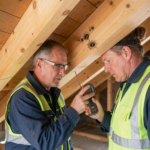

Alpine chalets are among the most recognizable timber buildings in the world. Found throughout mountainous regions in countries such as Switzerland, Austria, France, Italy, and Germany, these homes are designed to withstand harsh winters, heavy snowfall, and changing mountain weather. Their exposed wooden beams, log walls, balconies, and roofs create a warm, rustic appearance while providing excellent structural performance.
Despite their durability, Alpine chalets are still vulnerable to many of the same challenges faced by other timber buildings, including moisture, fungal decay, and wood-boring insects. Owners of these properties rely on preventive maintenance, careful moisture management, regular inspections, and targeted treatments to preserve the timber and extend the life of their homes.
This guide explains how Alpine chalets are protected from wood-boring pests and what homeowners everywhere can learn from these long-standing maintenance practices.
Why Alpine Chalets Require Special Care
Unlike many conventional homes, Alpine chalets contain large amounts of exposed structural timber.
Wood is commonly used in:
- Exterior walls
- Roof trusses
- Ceiling beams
- Balconies
- Window frames
- Doors
- Interior paneling
These components are exposed to snow, rain, sunlight, and seasonal temperature changes, making regular maintenance essential.
Common Wood-Boring Pests
Several insects can affect timber buildings.
Common examples include:
- Common Furniture Beetle
- Deathwatch Beetle
- House Longhorn Beetle
- Powderpost Beetles
Depending on the region, termites may also be a concern, although they are generally less common in many Alpine environments than in warmer climates.
The larvae of wood-boring beetles feed inside timber, often remaining hidden for several years before emerging as adults.
Moisture Management Is the First Line of Defense
One of the most effective ways to reduce the risk of wood-boring pests is to keep timber dry.
Owners of Alpine chalets typically pay close attention to:
- Roof maintenance
- Snow removal where necessary
- Gutter cleaning
- Drainage around the building
- Prompt repair of leaks
- Ventilation of roof spaces
Because many wood-boring beetles are more likely to infest timber with elevated moisture levels, controlling dampness is an essential preventive measure.
Regular Roof Inspections
Heavy snow places significant demands on chalet roofs.
Routine inspections help identify:
- Damaged roofing materials
- Loose flashing
- Water penetration
- Ice-related damage
- Blocked gutters
Keeping the roof in good condition helps protect the structural beams beneath it.
Maintaining Good Ventilation
Although Alpine winters are cold, proper ventilation remains important throughout the year.
Good airflow helps reduce:
- Condensation
- Excess humidity
- Moisture buildup in roof spaces
- Damp conditions around structural timber
Attics, roof voids, and crawl spaces should all receive adequate ventilation where appropriate.
Seasonal Timber Inspections
Many chalet owners inspect exposed timber at least once a year, often after winter.
Typical inspection points include:
- Roof beams
- Exterior logs
- Balconies
- Window frames
- Door frames
- Floor joists
They look for:
- Small exit holes
- Fine wood dust (frass)
- Water stains
- Soft timber
- Cracks
- Signs of insect activity
Early detection allows problems to be addressed before major structural damage develops.
Protecting Exterior Timber
Exterior timber is continually exposed to weather.
Protective finishes should be maintained according to the manufacturer’s recommendations to help:
- Reduce moisture absorption
- Minimize weathering
- Limit surface cracking
- Extend the lifespan of the wood
Regular cleaning also helps identify maintenance issues early.
Preserving Original Timber
Many Alpine chalets have historical or architectural value.
Whenever possible, owners aim to preserve original structural timber rather than replace it unnecessarily.
This often involves:
- Localized repairs
- Moisture control
- Professional inspections
- Targeted pest treatment
- Careful restoration using compatible materials
Preserving original timber helps maintain both structural integrity and historical character.
Modern Woodworm Treatment Options
If an active woodworm infestation is confirmed, treatment depends on:
- Beetle species
- Severity of infestation
- Structural condition
- Accessibility
Professional options include approved chemical treatments and modern heat-based technologies.
Microwave Woodworm Treatment
One increasingly popular chemical-free option is microwave woodworm treatment.
Professional microwave equipment uses dielectric heating to generate controlled heat inside timber.
The process is designed to eliminate:
- Woodworm larvae
- Beetle eggs
- Pupae
- Adult wood-boring beetles
Benefits
- Chemical-free
- No pesticide residues
- Targeted treatment
- Environmentally responsible
- Suitable for many heritage buildings
- Helps preserve original structural timber
A timber preservation specialist can determine whether this treatment is appropriate for a particular property.
Integrated Pest Management (IPM)
Many professionals recommend Integrated Pest Management (IPM) as a long-term strategy for timber preservation.
IPM combines:
- Routine inspections
- Moisture management
- Accurate pest identification
- Building maintenance
- Physical exclusion
- Targeted treatment only when necessary
This approach focuses on preventing infestations rather than relying solely on repeated chemical treatments.
Lessons Every Timber Home Owner Can Learn
Whether you own a chalet, a timber-frame house, or a log cabin, many of the same principles apply:
- Inspect timber regularly.
- Keep roofs well maintained.
- Repair leaks immediately.
- Improve ventilation.
- Control indoor humidity.
- Monitor for signs of wood-boring insects.
- Schedule professional inspections when needed.
Consistent maintenance is the most effective long-term protection.
Common Myths About Alpine Chalets
Myth 1: Cold Weather Eliminates Wood-Boring Pests
Fact: While climate can influence pest activity, wood-boring beetles can still infest timber in mountain regions. Good maintenance remains essential.
Myth 2: Old Chalet Timber Must Be Replaced
Fact: Many historic beams remain structurally sound and can often be preserved through proper maintenance and targeted repairs.
Myth 3: Snow Is the Biggest Threat
Fact: Snow itself is not usually the problem. Moisture from leaks, melting snow, poor drainage, or inadequate ventilation poses the greater risk to timber.
When Should You Contact a Professional?
Professional advice is recommended if you notice:
- Fresh frass.
- New exit holes.
- Soft structural timber.
- Persistent dampness.
- Roof leaks.
- Signs of fungal decay.
- Suspected woodworm activity.
A qualified timber preservation specialist can inspect the building, identify the pest species, assess the condition of the timber, and recommend the most appropriate maintenance or treatment plan.
Conclusion
Alpine chalets demonstrate that wooden buildings can remain beautiful and structurally sound for generations when properly maintained. Their longevity is not simply the result of high-quality timber but also of consistent inspections, effective moisture management, proper ventilation, timely repairs, and responsible preservation practices.Visit Online https://www.shashel.eu for more details .
If wood-boring pests are discovered, professional treatment—whether through approved chemical products or modern chemical-free technologies such as microwave woodworm treatment—can help protect valuable structural timber while preserving the chalet’s original character. By following the same preventive principles used in Alpine regions, homeowners can significantly extend the lifespan of any timber property.