



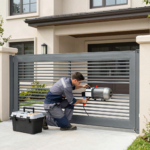


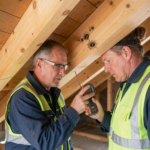

Anyone who has ever dealt with wobbly posts or messy excavation knows how much time and energy goes into setting a solid base. What this really means is that a dependable foundation system can change the whole pace of a project. This is where Ground Plug fits naturally into the picture, since its approach to steel foundations is built for people who want strength without tearing up half the yard.
Why builders are turning to modern steel foundations
Traditional digging takes effort, planning, and usually a lot of cleanup. You carve out holes, haul away soil, pour concrete, and wait for it to cure. By the time you finish, the actual building almost feels like the easy part. Steel screw foundations skip most of that. They twist into the ground with precision, they hold tight, and they skip the curing wait.
Ground Plug specializes in this style of foundation. Their galvanized steel design handles residential and commercial loads, so everything from decks to small structures can rest on a stable base. Because the foundations are installed with controlled torque instead of digging, the soil stays intact and the surrounding landscape barely notices the work being done.
Understanding the Ground Plug system
Let’s break it down. The patented system is built around heavy duty screw foundations that enter the soil cleanly. The threads pull downward with each turn and spread weight across a wider area than a narrow concrete post can usually manage. The galvanized finish protects the steel from corrosion, which matters in places with moisture rich soil or frequent weather changes.
People often assume steel foundations are only for large commercial builds, but this setup works surprisingly well on backyards, cottages, modular structures, garden rooms, and fencing lines. Because the installation does not require digging, the job stays consistent even in colder months when frozen soil usually slows everything down.
Where Ground Plug foundations make sense
Some spaces benefit more than others from a no digging approach.
1. Gardens and landscaped areas
If you have a carefully shaped yard, the last thing you want is a crew tearing through it with shovels and concrete trucks. The Ground Plug system slips in quietly, protects plants, and avoids the muddy trench look that lingers long after the project is done.
2. Projects with tight access
Urban homes and shared property lines often limit equipment size. Screw foundations solve this because they require minimal clearance. You can walk the hardware into place and anchor it without giant machinery.
3. Builds that need immediate stability
Sometimes you want to keep moving instead of waiting a full day for concrete to set. Steel foundations respond instantly. As soon as they are in the ground, you can start framing. The pace feels different, almost like the project breathes easier.
4. Locations with shifting or uneven soil
Concrete can crack or shift if the soil moves. A deep threaded design grips the earth differently. It adapts to minor shifts better and spreads pressure through those wide threads rather than letting all the weight sit on a narrow base.
How Ground Plug changes workflow
Here’s the thing, builders usually plan around delays related to digging. Weather, soil conditions, equipment access, everything slows the timeline. When screw foundations take over, those delays fade. You measure your placement, position the steel, drive it into the ground with the right equipment, and check its level. Most jobs repeat this pattern across the site and finish faster than expected.
The company behind the system has focused heavily on making installation predictable. That means consistent thread patterns, strong welding, and a protective coating that stands up to winter salt, rain, and long term moisture. Once the foundation is in, the top connection point lets you fix posts or framing brackets securely without improvisation.
A closer look at the materials
Galvanized steel plays a big part in the reliability of a Ground Plug foundation. The coating stops rust, shields the structure from water, and holds up against soil minerals that can eat away at untreated metal. When you compare this to older wooden posts, the difference is obvious. Wood breaks down underground and concrete can crack or absorb moisture. Steel stays consistent, which helps the rest of the build stay consistent too.
Another detail is how the steel shafts maintain alignment. Good foundations keep everything straight, which keeps doors, frames, rails, and panels from twisting later. Even small shifts matter, so having a foundation that resists those shifts is a quiet advantage that shows up years after the project is finished.
Installation without the disruption
If you ask people why they avoid outdoor projects, the mess often ranks higher than the actual labor. Piles of soil, concrete dust, broken ground, and patchy grass can turn a simple upgrade into a full weekend of repairs. Screw foundations avoid that chaos. Soil stays where it belongs. Surfaces remain clean. Neighbors barely notice work is happening.
This quiet style of installation has made the system popular with people who want to add features like pergolas, sheds, walkways, and entrance structures without turning their yard into a construction zone.
The kind of foundation that earns trust
Not many building components influence long term stability as much as the base. When the ground support holds firm, everything above feels steadier. When it fails, the whole project suffers. Ground Plug brings the kind of reliability that lets you build with confidence and get on with the part you actually enjoy, the visible structure itself.